
Knowledge Against Ignorance
Theodosia and the Serpents of ChaosThis thread traces the novel’s contrast between dismissive assumptions and knowledge built through observation, research, and experience.
increasing Bearing strength in each event
 decreasing
Bearing strength in each eventdecreasingThe Child’s Evidence
The Child’s Evidence
Observation before authority
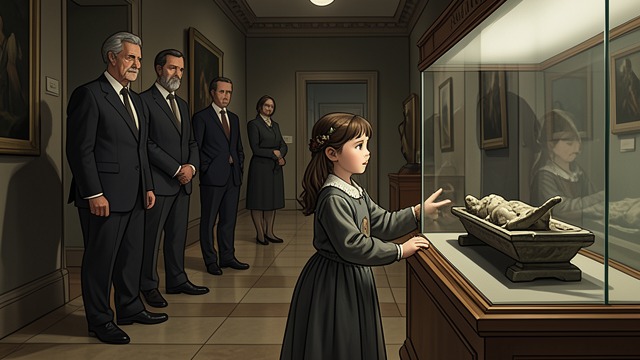
Theodosia detects the curse while adult curators handle the object without caution. Her experience conflicts with the museum’s assumption that age and professional status determine who knows best.
A method of proof
Wax and moonlight tests let her turn private sensation into evidence. The novel treats curiosity as disciplined work rather than mere childish imagination.
Books and Their Gaps
Books and Their Gaps
Scholarship as a tool
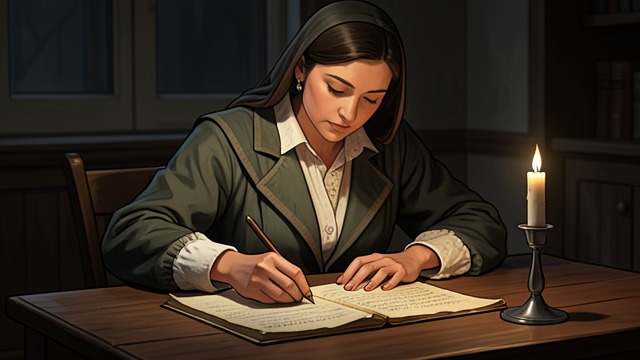
Theodosia consults old texts to understand curses, materials, and remedies. Research has protected her before, giving her a foundation for action.
Limits of inherited knowledge
The books do not explain how to cure Isis, and their instructions omit important risks. Theodosia must combine scholarship with judgment instead of treating written authority as complete.
A Test of Wigmere’s Method

A Test of Wigmere’s Method
Different forms of expertise
Wigmere explains that the Brotherhood studies artifacts through history and painstaking procedures. Theodosia can sense curses directly, but she still needs research to interpret what she feels.
Mutual correction
The encounter shows that neither intuition nor institutional learning is sufficient alone. Each method becomes stronger when tested against the other.
Practical Knowledge Saves
Practical Knowledge Saves
Learning applied
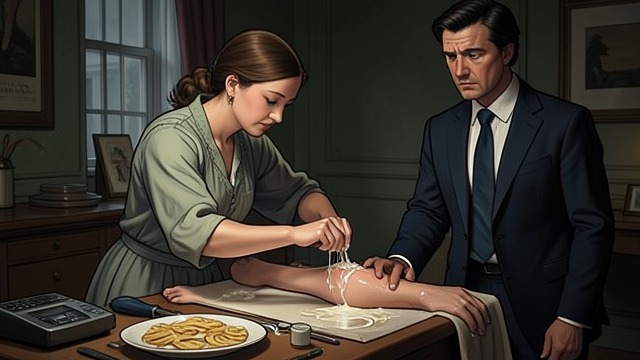
Theodosia draws on old remedies and adapts them to Danver’s injury, using wax to draw out the curse. She acts while trained adults struggle to identify the danger.
Judgment under uncertainty
Her solution works, although it removes Danver’s arm hair. The episode honors practical intelligence while showing that experimentation can carry unexpected costs.
Learning Through Consequences
Learning Through Consequences
Magic is not a parlor trick
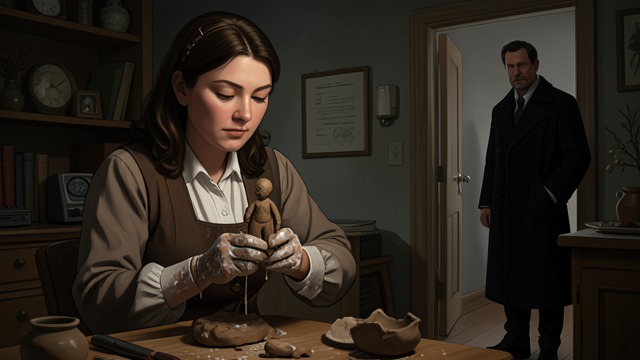
Theodosia’s actions—from transferring the Bastet curse to using an execration figure—have consequences for living beings. Her knowledge carries responsibility, not simply power.
Experience completes study
She ends with deeper skill because she has made mistakes, adapted, and accepted help. The story values learning that remains open to correction.
When the Bastet statuette arrives
During the search for a cure for Isis
During the first meeting at the Society
During Danver’s curse emergency
After the final confrontation
